What Is Tinnitus Retraining Therapy?
Tinnitus Retraining Therapy (TRT) is an evidence-based treatment developed by Dr. Pawel Jastreboff that helps your brain learn to tune out tinnitus. Rather than masking or covering up the sound, TRT works at a neurological level, retraining the way your brain processes and responds to the tinnitus signal.
Think of it this way: you're probably unaware of the feeling of clothing on your skin right now, even though that signal is always there. Your brain has habituated to it. TRT applies the same principle to tinnitus, guiding your auditory system to reclassify tinnitus as a neutral, unimportant sound that no longer demands your attention.
At Golden Ears Audiology, Dr. Sonia Penaroza, Au.D., provides personalized TRT programs tailored to each patient's unique tinnitus profile and lifestyle needs.
How Does Tinnitus Retraining Therapy Work?
TRT combines two core components that work together over time to reduce your awareness of tinnitus and eliminate the negative emotional response:
Directive Counseling
Through structured sessions, Dr. Penaroza helps you understand the neurological mechanisms behind your tinnitus. This knowledge reduces the fear and anxiety that often amplify tinnitus perception. When your brain stops interpreting tinnitus as a threat, it begins the natural process of filtering it out.
Sound Therapy
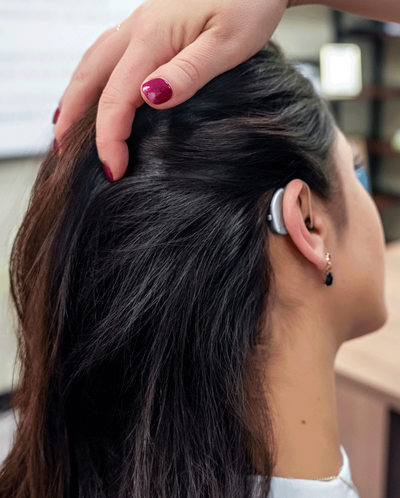
Low-level, broadband sound is delivered through ear-level sound generators or hearing aids with built-in sound therapy. Unlike masking, TRT sound therapy is set below the level of your tinnitus, not to cover it, but to reduce the contrast between the tinnitus and your sound environment. This gradual blending helps the brain reclassify tinnitus as background noise.
These two components reinforce each other: counseling accelerates the changes that sound therapy promotes, and sound therapy reinforces what you learn in counseling.
Who Is Tinnitus Retraining Therapy For?
TRT may be right for you if:
- Your tinnitus is persistent and affects your concentration, sleep, or emotional well-being.
- You've tried sound masking or other strategies without lasting relief.
- You want a long-term solution rather than temporary symptom management.
- You experience both tinnitus and hearing loss (TRT can be combined with hearing aids).
- Stress or anxiety worsens your tinnitus perception.
A comprehensive hearing evaluation is the first step in determining whether TRT is the right approach for your situation.

What to Expect During Treatment
Your TRT journey at Golden Ears Audiology begins with a thorough tinnitus evaluation, including pitch and loudness matching, minimum masking level testing, and a detailed discussion of your symptoms and how they affect your daily life.
Based on this assessment, Dr. Penaroza designs a customized TRT plan that may include:
Initial Fitting
If ear-level sound generators or hearing aids are part of your plan, they are carefully fitted and programmed to your tinnitus profile.
Counseling Sessions
Structured appointments to help you understand the neuroscience of tinnitus and develop strategies to reduce your emotional response.
Follow-Up Visits
Regular check-ins to monitor your progress, adjust sound therapy levels, and refine your treatment plan as habituation progresses.
Most patients begin to notice meaningful improvement within 2–6 months, with full habituation typically achieved within 12–24 months. The timeline varies based on individual factors, but the process is gradual and steady.
Tinnitus Retraining Therapy (TRT) vs. Other Tinnitus Treatments
There are several approaches to tinnitus treatment, and understanding the differences can help you make an informed decision:
Sound Masking
Uses louder sounds to cover up tinnitus. Provides immediate but temporary relief, but tinnitus returns when the masking stops. TRT, by contrast, aims for lasting change.
Cognitive Behavioral Therapy (CBT)
Focuses on changing your emotional and behavioral response to tinnitus. CBT can complement TRT well, but it does not include the sound therapy component that promotes neurological habituation.
Hearing Aids
Essential for patients with both hearing loss and tinnitus. Many hearing aids now include built-in sound therapy features that can serve as the sound therapy component of TRT. For many patients, hearing aids alone provide significant tinnitus relief.
Tinnitus Retraining Therapy (TRT)
The only approach that combines directive counseling with calibrated low-level sound therapy specifically designed to promote long-term habituation. It addresses both the perception of tinnitus and the emotional reaction to it.
The Brain Health Connection
Tinnitus is not just an ear problem; it's a brain problem. Research shows that tinnitus involves abnormal activity in the auditory cortex and the limbic system, the brain's emotional processing center. This is why tinnitus often worsens with stress, anxiety, and fatigue.
At Golden Ears Audiology, we believe that hearing health and brain health are deeply connected. Untreated tinnitus can contribute to cognitive fatigue, difficulty concentrating, and increased stress, all of which affect overall brain wellness. TRT directly addresses this connection by retraining the neural pathways involved in tinnitus perception, promoting healthier auditory processing and reducing the cognitive burden tinnitus places on your brain.
Frequently Asked Questions About Tinnitus Retraining Therapy
Most patients begin noticing improvement within a few months, but the full habituation process typically takes 12 to 24 months. During this time, the brain gradually learns to reclassify tinnitus as a background signal that no longer requires attention.
TRT is not a cure, but it is one of the most effective evidence-based treatments available. The goal is habituation: training your brain to stop reacting to the tinnitus signal so it no longer impacts your daily life, sleep, or concentration.
Sound masking covers up tinnitus with louder sound, providing temporary relief. TRT uses low-level sound below the tinnitus level combined with directive counseling to promote long-term habituation. TRT aims for lasting change in how the brain processes tinnitus rather than simply hiding it.
Yes. Many modern hearing aids include built-in sound generators that can deliver the sound therapy component of TRT. For patients with both hearing loss and tinnitus, combining amplification with TRT sound therapy is often the most effective approach.
TRT is suitable for most people with bothersome tinnitus, especially those whose tinnitus affects their concentration, sleep, or emotional well-being. A comprehensive evaluation by an audiologist determines candidacy based on the type and severity of tinnitus.
Start Your Tinnitus Retraining Therapy Today
If tinnitus is affecting your quality of life, Tinnitus Retraining Therapy at Golden Ears Audiology in Lakeway, TX can help. Led by Dr. Sonia Penaroza, Au.D., our practice provides personalized, evidence-based tinnitus care designed for lasting results.
Take the first step: schedule your tinnitus evaluation or call us today.
Golden Ears Audiology
1008 Ranch Rd 620 S, Suite 203, Lakeway TX 78734
[email protected]