What is Auditory Processing Disorder Treatment?
Auditory Processing Disorder (APD) treatment focuses on strengthening the brain's ability to interpret and make sense of sounds. Unlike hearing loss that originates in the ear, APD involves the way the central nervous system handles auditory information, which means treatment targets the brain, not just the ears.
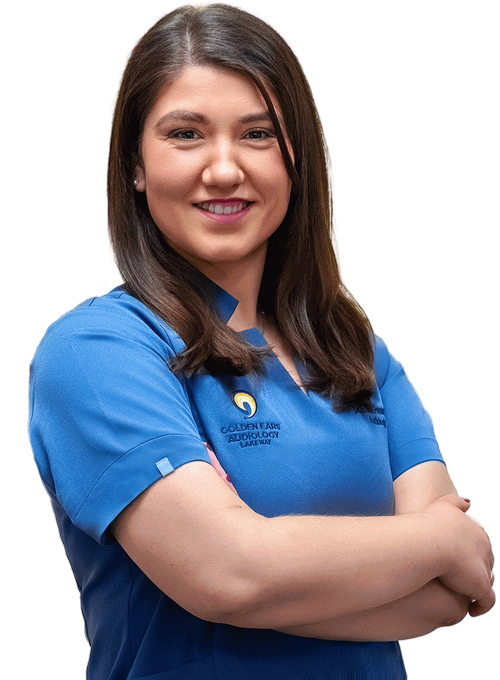
At Golden Ears Audiology, Dr. Sonia Penaroza, Au.D., develops individualized treatment plans based on each patient's specific auditory processing evaluation results. Because there are different types of APD (decoding, tolerance fading memory, organization, and integration), no two treatment plans look the same.
Treatment may include auditory training exercises, compensatory strategies, hearing aids, ongoing care management, and referrals to other specialists depending on the nature of the condition.

APD Treatment Approaches
Every treatment plan is tailored to the patient's unique evaluation results and daily challenges. Below are the core approaches used at Golden Ears Audiology.
Auditory Training Exercises
Auditory training uses targeted listening exercises to strengthen how the brain processes sound. These exercises may focus on distinguishing between similar sounds, improving the ability to follow speech in noisy environments, or building auditory memory. Consistent practice, often done at home between sessions, helps create lasting improvements in listening skills.
Compensatory Strategies
Compensatory strategies give patients practical tools to manage everyday listening challenges. These may include using visual cues, reducing background noise, asking speakers to slow down, repeating or rephrasing key information, and using note-taking or organizational systems. These strategies work alongside auditory training to improve communication success.
Hearing Aids & Assistive Devices
In some scenarios, hearing aids or assistive listening devices (such as remote microphone systems) can be a valuable part of an APD treatment plan. These devices improve the signal-to-noise ratio, making it easier to hear speech clearly in classrooms, meetings, and other challenging environments. Learn about the benefits of hearing aids.
Care Management
APD treatment is not a one-time event. Dr. Penaroza provides ongoing care management, which means your treatment plan is monitored and adjusted over time. Regular follow-up appointments track progress, identify areas that need more attention, and ensure that your plan evolves with your needs.
Referral to Other Specialists
Depending on the nature of the condition, a collaborative approach may be necessary. Dr. Penaroza coordinates with speech-language pathologists, psychologists, educators, and other specialists to ensure all aspects of a patient's auditory and communication challenges are addressed. This team-based approach leads to more comprehensive outcomes.
Who Benefits from APD Treatment?
Auditory processing treatment helps people of all ages. Children with APD often struggle in school; they may have trouble following the teacher's instructions, keeping up with classroom discussions, or performing well on language-based tasks. A proper APD evaluation followed by targeted treatment can make a meaningful difference in academic performance and confidence.
Adults and older adults also benefit from APD treatment. Many adults find that understanding speech in meetings, on the phone, or in noisy restaurants becomes increasingly difficult, even when a standard hearing evaluation shows normal results. For older adults, age-related changes in the central auditory system are a common contributing factor, and treatment can help preserve communication ability and quality of life.
Focused on Brain Health
At Golden Ears Audiology, brain health is at the core of everything we do. Auditory processing disorder is fundamentally a brain-based condition: sounds reach the ear normally, but the brain struggles to organize and interpret them. That's why APD treatment goes beyond the ear and targets the auditory pathways in the brain.
Research continues to show a strong connection between auditory health and overall cognitive well-being. Untreated auditory processing difficulties can contribute to mental fatigue, social withdrawal, and reduced cognitive engagement. By strengthening auditory processing skills through targeted training and strategies, patients often experience improvements not only in listening but also in attention, memory, and daily communication.
This brain-health approach is what sets Golden Ears Audiology apart. Whether you're seeking treatment for a child who is struggling in school or an adult navigating complex listening environments, our goal is to help your brain work more efficiently with the sounds around you.
What to Expect
Treatment begins with a comprehensive auditory processing evaluation. Based on your results, Dr. Penaroza will identify the specific type of APD and develop a personalized treatment plan. You'll receive clear explanations of what was found, what it means for daily life, and what steps come next.
Follow-up sessions focus on auditory training, strategy coaching, and progress monitoring. For children, parents and educators receive guidance on how to support listening success at home and in the classroom. For adults, strategies are tailored to work, social, and daily communication needs.
Treatment timelines vary. Some patients notice improvement within weeks of consistent practice, while others benefit from a longer course of care. Dr. Penaroza works closely with each patient and their family to set realistic expectations and celebrate progress along the way.
Frequently Asked Questions About APD Treatment
APD treatment is tailored to each patient and may include auditory training exercises, compensatory strategies for everyday listening, hearing aids or assistive devices, ongoing care management, and referrals to other specialists when appropriate. The specific combination depends on the type and severity of APD identified during the evaluation.
In some cases, hearing aids and assistive listening devices such as remote microphone systems can help individuals with APD by improving the signal-to-noise ratio and making speech clearer in challenging environments. Your audiologist will determine if this is appropriate for your situation. Learn about the benefits of hearing aids.
Results vary depending on the individual and the type of APD. Some patients notice improvements within a few weeks of consistent auditory training, while others may require several months. Treatment plans are regularly adjusted based on progress.
Golden Ears Audiology accepts most major insurance plans for APD treatment. Contact our office at (512) 222-6880 or email [email protected] to verify your coverage and understand your benefits.
APD treatment helps children, teens, and adults who struggle with understanding speech in noisy settings, following verbal instructions, or processing auditory information quickly. It is also beneficial for older adults experiencing age-related auditory processing changes.
Insurance Accepted for APD Treatment
We accept most major insurance plans for auditory processing disorder treatment. Our team will help you verify your coverage and understand your benefits before your appointment. Visit our insurance information page or call us to learn more.
Schedule Your APD Treatment Consultation
If you or your child has been diagnosed with auditory processing disorder, or if a recent evaluation has identified auditory processing challenges, Golden Ears Audiology in Lakeway, TX is here to help. Led by Dr. Sonia Penaroza, Au.D., our practice provides personalized, brain-health-focused treatment plans designed to improve listening, communication, and quality of life.
Further reading: APD vs ADHD in the classroom · When speech-in-noise scores suggest APD
Golden Ears Audiology
1008 Ranch Rd 620 S, Suite 203, Lakeway TX 78734
Phone: (512) 222-6880 | Email: [email protected]