Choosing the Best Hearing Aid for You
Let me just cut to the chase, the short answer is there is no "best" hearing aid. There are several factors that go into selecting a hearing aid; what is best for you is not what is best for the next patient. The first step is to schedule a comprehensive hearing evaluation to understand your specific hearing needs. Here are some of the factors that go into the decision-making process of choosing the best hearing aid for you:
Style of the Hearing Aid
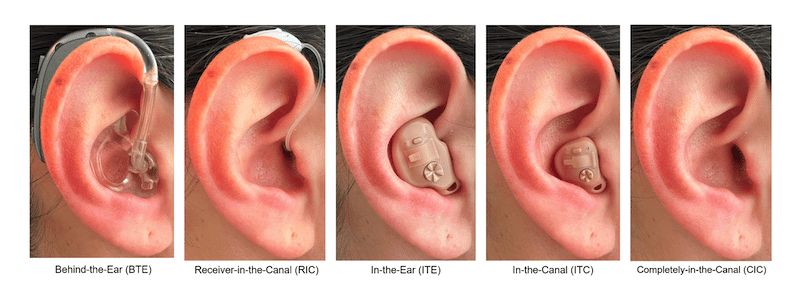
Styles are available with all hearing aid manufacturers, with some variation. Each style has its own unique benefits and considerations:
Completely-in-the-canal (CIC) CUSTOM
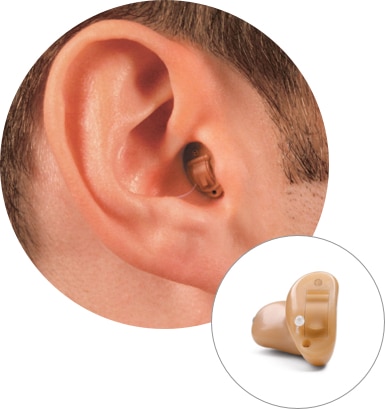
Pros:
- Cosmetically favorable since it is barely visible
- Uses your ear's natural cues for better sound localization
Cons:
- Small ear canals may not fit all components
- Battery powered only with small batteries needing frequent replacement
- No Bluetooth connectivity or volume control
- Susceptible to moisture and debris damage
Who is a Candidate:
- Mild to moderate hearing loss
- Average ear canal size
In-the-canal (ITC) CUSTOM
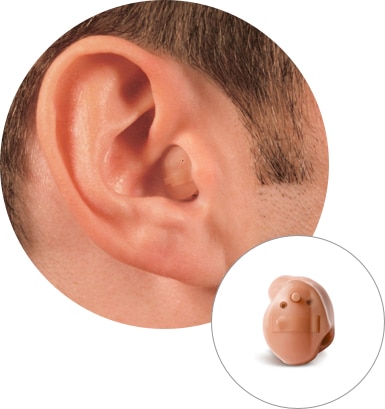
Pros:
- Fits more ear canals than CIC
- Uses your ear's natural cues for better sound localization
- Bluetooth connectivity in most models
Cons:
- Battery powered only
- Susceptible to moisture and debris damage
Who is a Candidate:
- Mild to moderate hearing loss
- Small profile with connectivity features
In-the-ear (ITE) CUSTOM
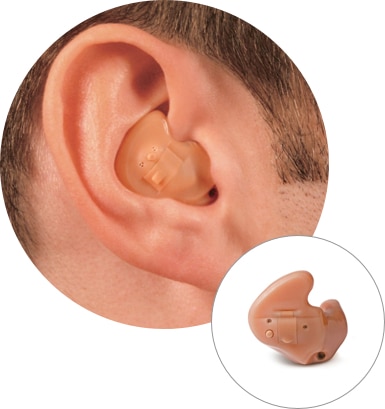
Pros:
- Fits all ear types
- Bluetooth connectivity
- Rechargeable option available
Cons:
- Can be bulky
- Susceptible to moisture and debris damage
Who is a Candidate:
- Mild to severe hearing loss
- Dexterity or vision limitations
Receiver-in-the-ear (RITE / RIC)
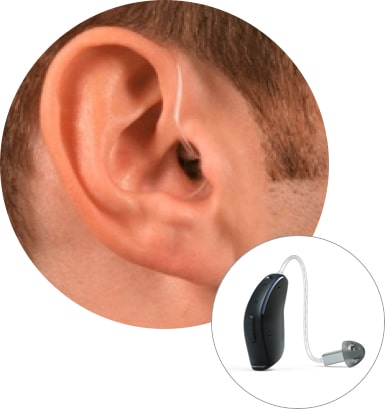
Pros:
- Fits all ear types
- Bluetooth connectivity
- Rechargeable
- Discreet fit
Cons:
- Smaller parts may be challenging for dexterity issues
- Susceptible to moisture and debris damage
Who is a Candidate:
- Mild to severe hearing loss
- Patients with ear drainage issues
Behind-the-ear (BTE)
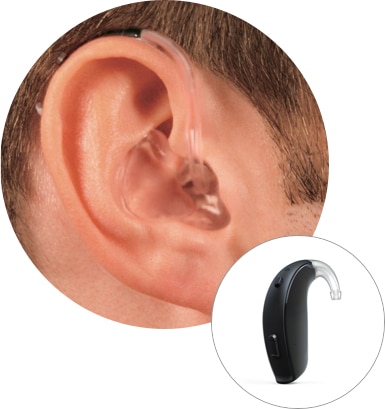
Pros:
- Fits all ear types
- Bluetooth connectivity
- Rechargeable
Cons:
- Not discreet
- Ear molds need periodic replacement
Who is a Candidate:
- Moderate to profound hearing loss
- Patients with ear drainage issues
Sound Quality
This factor is very subjective. For this reason, we usually let patients trial 2-3 brands of hearing aids in the office during their hearing aid evaluation. Our professional fitting process ensures you get the best sound quality for your specific needs. Here is some of the feedback we've received over the years:
Widex
Crisp sound, natural for mild hearing losses.
Oticon
Rounder, gentler sound favored by older patients.
Phonak
Rounded clarity, compatible with more Android devices.
ReSound
Sharp, high-frequency sound with AuraCast technology.
Starkey
Sharp, natural sound with additional features like fall detection.
Signia
Crisp sound with own-voice processing.
Not sure what option to pick? Let your doctor recommend the right hearing aid for you. We offer transparent pricing and flexible financing options to make better hearing accessible. Give us a call or schedule online for a hearing aid evaluation!
Additional Considerations
Repair & Maintenance
All our hearing aids come with comprehensive repair and maintenance services.
Tinnitus Relief
Many patients report significant relief from tinnitus with properly fitted hearing aids.
Cognitive Health
Regular use of hearing aids may help reduce the risk of cognitive decline.
Insurance Coverage
We work with most insurance plans to maximize your coverage.
Have Questions? Ask The Doctor Anything
The doctor will typically answer all questions within one business day.
Frequently Asked Questions
The right hearing aid depends on your hearing loss type and severity, lifestyle, dexterity, cosmetic preferences, and budget. The first step is a comprehensive hearing evaluation. From there, your audiologist will recommend styles and technology levels tailored to your needs, and you can trial multiple brands in the office before deciding.
Hearing aids are typically available in basic, mid-range, and premium technology tiers. Higher tiers offer better speech-in-noise performance, more automatic adjustments, richer Bluetooth features, and finer sound customization. Your audiologist can help you decide which level matches your listening environments and goals. See our pricing page for details.
Rechargeable hearing aids are convenient — no tiny batteries to change — and are available in most behind-the-ear and in-the-ear styles. Battery-powered models may suit patients who need the smallest possible size (like CIC) or who travel extensively without reliable charging access. Your audiologist can help weigh the trade-offs.
Yes. During your hearing aid evaluation we typically let you trial two to three brands in the office so you can compare sound quality firsthand. We want you to feel confident in your choice before moving forward with a professional fitting.
Most hearing aids last four to seven years with proper care. Regular maintenance and professional cleanings extend their lifespan. Our repair and maintenance services keep your devices performing at their best throughout their life.