What We Focus On at Your Visits
After your hearing is tested in quiet and in noise, we ask what you want back. That might be conversation at dinner, clarity on the phone, less ringing, or stamina after a long day.
Those answers drive whether hearing aids are the right tool, which style we try first, and how we check progress over months, not just minutes in a booth.
- Speech-in-noise testing, not just a quiet booth
- Treatment plans focused on staying socially engaged
- Hearing aids selected and fit for how you listen day to day
- Help for tinnitus (ringing or buzzing)
- In-home visits when getting to the office is hard
- Long-term follow-up as hearing changes
To book, call (512) 222-6880 or schedule online .
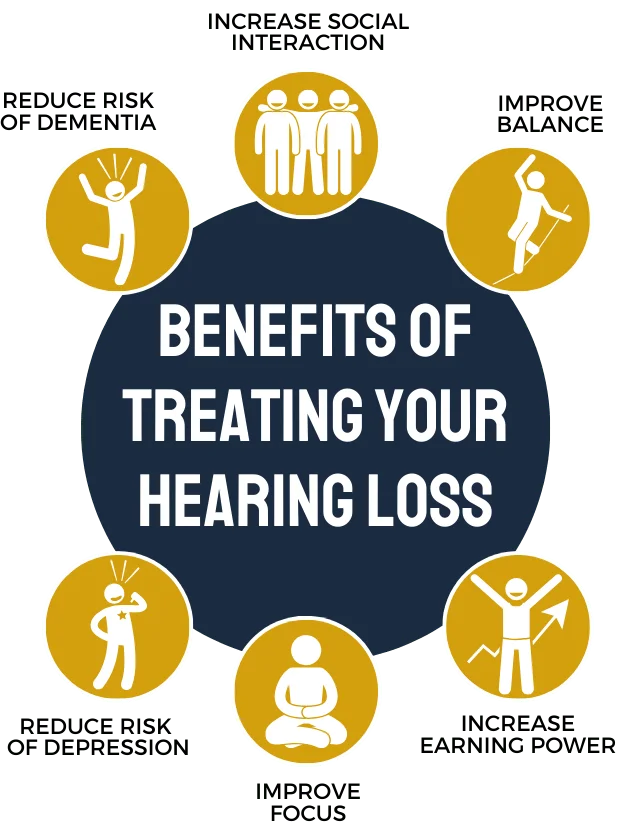
How Hearing Aids Can Help
When speech is easier to pick out, your brain spends less energy on guesswork. That frees attention for memory and connection.
This short video explains how hearing aids support everyday listening.
Should You See an Audiologist?
If hearing problems get in the way of daily life, or you have noticed changes over the last few years, it is worth a visit.
At Golden Ears Audiology in Lakeway we do more than a quick screening. We look at why hearing has changed and what it means for your brain over time.
Sometimes the answer is age or noise. Sometimes something else is going on. Not everyone needs hearing aids, and we will tell you straight.
- Honest assessment: a thorough evaluation, clear results, and recommendations matched to your hearing and your goals.
- Devices for real life: we work with reputable manufacturers and select features that support how you actually listen day to day.
- Care over time: after you choose a device we adjust it, answer questions, and see you for follow-up so it keeps working as your hearing changes.
Why Waiting Has a Real Cost
Why people put it off
Hearing loss is usually slow, so it is easy to put off. The challenge is that the brain is changing the whole time.
When the ears send less sound, the brain pathways for speech get less practice. Some researchers call this neural deprivation, or simply "use it or lose it." Brain imaging studies have linked long-term hearing loss to measurable changes in the temporal lobe, the area that helps with speech and memory.
If you wait many years
Pathways can grow quiet. People who start wearing hearing aids after many years often need more time to adjust, because the brain has gotten used to working without that input.
Why earlier treatment can help
The brain can adapt in helpful ways, too. Clear, well-fit sound through hearing aids can support those listening pathways, especially when treatment starts earlier.
A 2023 study in The Lancet (the ACHIEVE trial) reported about a 48% reduction in cognitive decline over three years among older adults at higher risk for dementia, compared with a control group not using hearing aids in the study.
Read more on dementia and hearing loss and hearing and overall health.
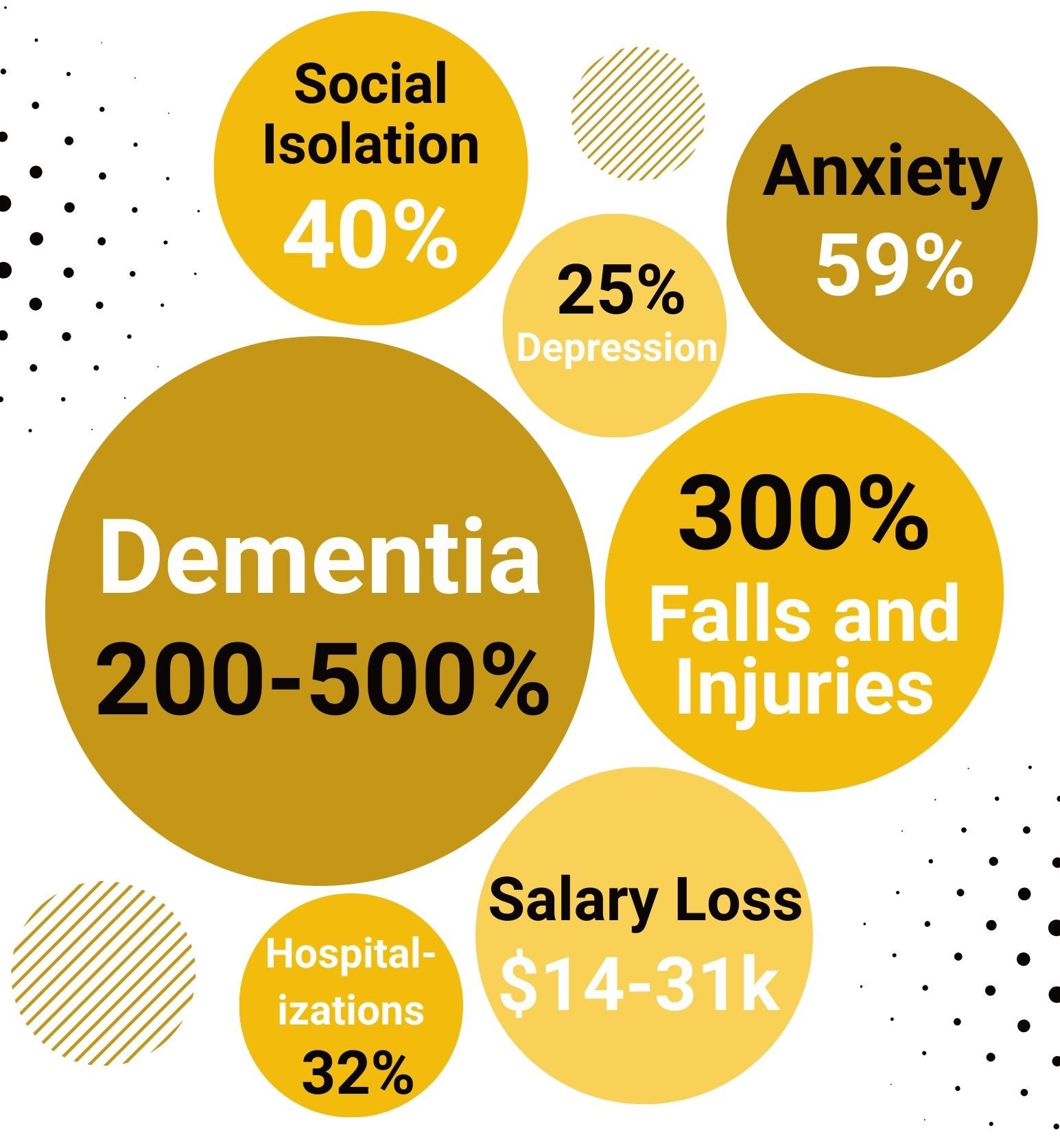
What the Research Shows
Work from Johns Hopkins, Northwestern, and the Lancet Commission supports treating hearing loss as one of the most important factors you can act on for long-term brain health.

Less cognitive decline with hearing aids (ACHIEVE trial, Lancet 2023)

Higher dementia risk with mild untreated hearing loss (Johns Hopkins)

Higher dementia risk with severe untreated hearing loss
What to Expect at Your First Visit
Plan on about one hour. Here is what we do:
Step 1: Hearing test
We check your hearing in a quiet setting and in conditions closer to real life, including how you understand speech in background noise.
Step 2: Results and next steps
Dr. Penaroza walks you through what the test shows and what it means for your hearing and your brain. You get honest options. We do not push you to buy something you do not need.
Step 3: Try aids at home
If hearing aids are a good fit, you can try trusted brands in your own daily routine before you commit.
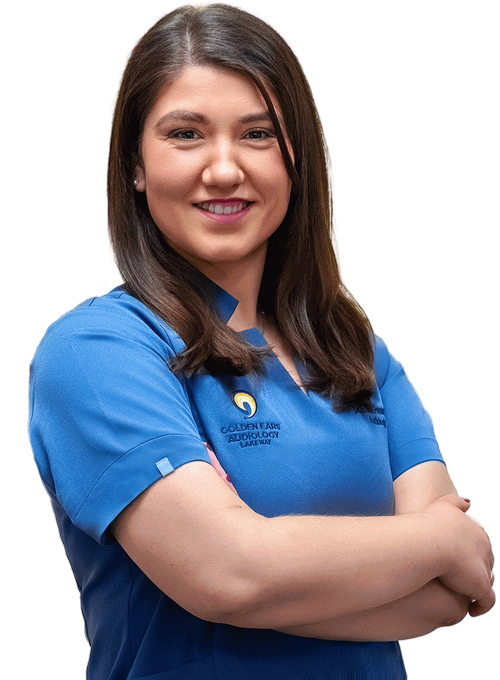
Meet the Doctor
Dr. Sonia Penaroza leads Golden Ears Audiology in Lakeway. She grew up in Toronto and now lives here with her family. She earned her doctorate in audiology from Northwestern University. She speaks English, Spanish, Ukrainian, French, and Polish, and enjoys caring for people from many backgrounds.
Outside the office she stays involved locally, including at Emmaus Church in Lakeway and as director of the Ukrainian Choir of Austin. She believes in good hearing, healthy habits, and treating every patient with respect.
Get Informed
Short guides that answer common questions in plain language.